Are Wings Beside Your Window a Sign of Termites?
Discarded wings beside a window sill can point to termite swarmers, but the wings alone do not confirm an active colony. Look for matching insects and signs of wood or foundation activity before deciding what to do. Warm spring weather increases ant and termite swarming, so a sudden pile may reflect seasonal activity rather than a new indoor infestation.
Around the University of South Carolina, homeowners can check window frames and nearby trim instead of assuming every wing pile means the same thing. The South Carolina State House offers another familiar local reference point: properties across the state can see seasonal swarmers.
Keep a few wings in a sealed container and note where you found them; our crew can compare the evidence during an inspection.
What do discarded termite wings look like?
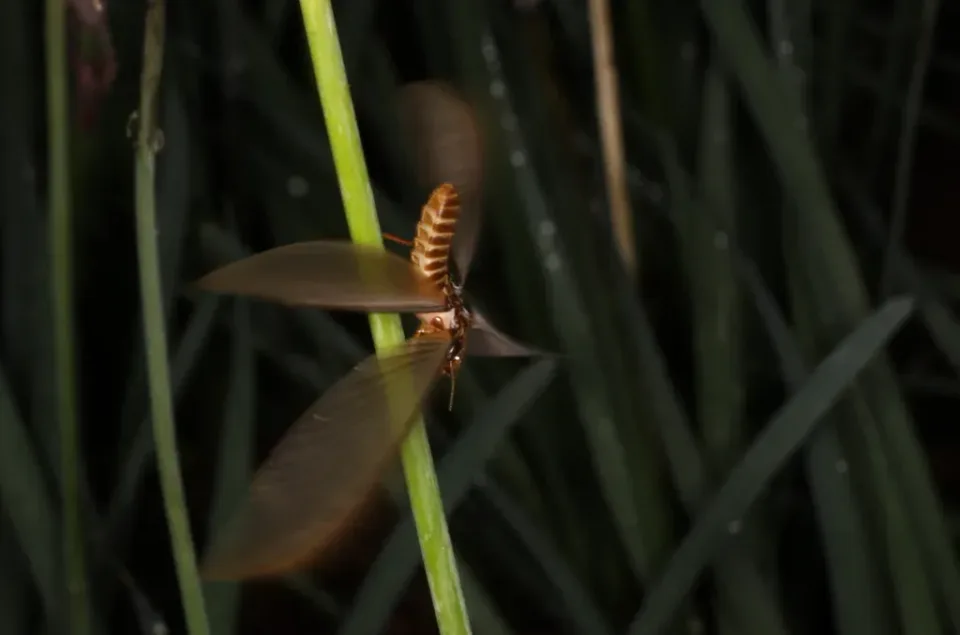
A cluster of loose wings near a window or door is worth checking, especially if you also find insects or damaged wood. Termite swarmers have four similarly sized wings, a useful clue when you can examine an intact specimen.
Ant swarmers, by contrast, have front wings longer than their hind wings, though damaged or scattered wings can make comparison difficult. Save a few rather than sweeping everything away immediately.
Hot, humid summers can increase indoor pest activity, so sightings may occur inside as well as outdoors. At Brookgreen Gardens, visitors see carefully maintained outdoor plantings; at home, check whether irrigation or damp soil reaches the foundation.
High humidity also encourages wood decay and termite activity, which can make an existing wood problem easier to miss if it is mistaken for ordinary moisture damage. We document where the wings appeared and inspect nearby accessible wood and foundation areas.
For another symptom to compare, see our guide to hollow wood near windows and what an inspection can reveal.
Could wings come from another insect?
Yes, other flying insects can shed wings, and an isolated pair does not identify the pest by itself. Ant swarmers are a common look-alike; their pinched waist and uneven wing lengths can help distinguish them from termite swarmers when the insect is intact.
A single wing may not preserve either clue. Check the sill, nearby lights, and exterior surfaces for additional insects or repeated piles.
Inland areas experience greater temperature swings, so a warm spell followed by cooler weather can change when people notice flying insects around openings. In the region near Cowpens National Battlefield, as elsewhere inland, do not use one day’s weather as a diagnosis.
Drought can also push pests toward irrigated landscapes, making damp garden edges and foundation-adjacent planting areas worth noting. The Falls Park on the Reedy setting is a reminder that managed water and greenery are part of local surroundings; at home, record whether wings are close to a sprinkler or moist bed. A photo and collection location can help narrow the possibilities.
When should you call a professional?
If wings appear repeatedly, or you also find mud tubes, hollow-sounding wood, or blistered paint, arrange a professional assessment rather than treating the area at random. A DIY first step is reasonable when there is only one small pile and no other evidence: photograph it, collect a sample, and inspect the nearby sill without opening walls or applying pesticide.
Call a professional when the evidence recurs, appears beside damaged wood, or extends to crawl-space supports. Freeze-thaw cycles can open small foundation cracks, creating places that merit inspection even when the visible wings are elsewhere.
We check accessible foundation edges and wood, record the affected area, and explain whether more evaluation is warranted. Our termite inspection process focuses on evidence, not assumptions.
For a related foundation clue, read what to check when mud tubes appear on a Columbia foundation.
What happens after the inspection?
The next step depends on what the evidence shows. A wood-destroying organism inspection report can document observed activity and conditions; treatment should be matched to the pest and the affected area, not selected from a photograph alone. If evidence supports subterranean termite activity, a technician can discuss appropriate treatment options and monitoring needs.
At South Carolina Pest Pros, our crew explains findings in plain language and records where we saw signs. We also check whether moisture or access conditions could affect the inspection.
Drought periods can draw pests toward irrigated landscapes, so mention regular watering near the foundation. If a bait system is recommended, ask what monitoring schedule applies and how stations should be protected between visits.
Do not disturb them. A clear record helps you decide what to do next without confusing shed wings with proof of a colony.
Which Termite Check Fits a Pile of Wings?
If wings turn up near a window but the source is unclear, start by matching the inspection or treatment option to the evidence and building conditions. Cold snaps can drive rodents indoors, so wings appearing alongside other indoor activity do not automatically mean termites; identify each sign separately.
Near Congaree National Park, a property’s setting may include wooded surroundings, while homes near Darlington Raceway or Folly Beach have their own site conditions to discuss during assessment. The location helps shape the inspection, not determine the pest.
| Option | Best for | Key detail |
|---|---|---|
| Termite inspection with written report | Unidentified wings or suspected activity | Documents affected areas; foundation length may be measured in linear feet. |
| Subterranean termite treatment | Evidence of termites entering from soil | Liquid barrier treats soil; bait stations target colonies. |
| Termite baiting system installation | Monitoring and colony targeting | Bait-station spacing follows the product label. |
| Localized termite foam treatment | Confirmed activity in a specific void | Treats voids; it does not replace foundation soil treatment. |
Ask what evidence supports the recommendation and what the treatment plan covers.
How Should You Prepare for a Termite Inspection?
A little preparation helps the technician reach the areas where wings or related evidence appeared. Mild winters allow many pests to remain active, so keep a record of sightings even outside the main swarming season. Tight crawl spaces may stay damp after humid weather; tell the inspector about access limits before the visit.
-
Save a sample: Place a few intact wings in a sealed container and photograph the sill where you found them.
-
Clear foundation access: Move stored items away from foundation walls so the inspection can cover the accessible edge.
-
Arrange entry: Provide crawl-space and attic access, and note any areas that cannot be reached safely.
-
Share site details: Disclose plumbing leaks, prior termite treatments, and any wells, drains, or cisterns before treatment is considered.
-
Protect treatment areas: If application is planned, keep people and pets away and follow the product-label reentry instructions.
For coastal homes near Hilton Head Island, mention storm damage to screens or foundations that could affect inspection access. Bring your photos and ask what follow-up the written plan recommends.
Should You Ask for Help With Termite Wings?
A fresh pile of wings beside a sill is a reason to look closer, not proof by itself that termites are feeding inside the house. Keep a sample, note the room and date, and watch for nearby wood or foundation signs. Our crew can explain what an inspection does and does not establish.
Properties near Fort Jackson, the North Charleston Coliseum, or Middleton Place differ in structure and site conditions, so the inspection should account for the actual building rather than rely on a general assumption. South Carolina Pest Pros has served South Carolina for more than 10 years, with inspections and treatment plans performed under state pest-control licensing requirements.
Ask us to assess the evidence and explain practical next steps. Request a termite inspection from South Carolina Pest Pros.