What Can Hollow Window Wood Reveal About Termites?
Hollow-sounding wood near a window can signal termite damage, but an inspection is needed to tell whether insects are active and how far damage extends. High humidity can encourage both wood decay and termite activity, so a soft or hollow spot deserves a closer look rather than a quick coat of paint.
A caller who says they are “getting ate up” may be describing a separate biting-pest problem; we clarify the symptoms before recommending any service. Another caller may own an apartment and want an estimate for bed bug heat treatment.
That requires a different inspection and quote, not a termite diagnosis based on hollow trim. We inspect the window area, nearby framing, and accessible foundation, then explain what the evidence supports.
South Carolina Pest Pros serves properties across South Carolina, including along I-26. Take a photo and avoid pulling apart the trim before an inspection.
What does hollow wood near windows mean?
Hollow window trim is a warning sign, not a diagnosis by itself. We check whether the wood is weakened, whether there are visible signs of insect activity, and whether the damage continues into framing or adjacent materials. A moisture meter helps us compare suspect wood with nearby areas; moisture readings can guide the inspection but do not identify termites on their own.
The surrounding conditions matter. Hot, humid summers can increase indoor pest activity, and the Riverbanks Zoo and Garden area is a familiar Columbia reference point for local homeowners arranging service.
A careful inspection also considers whether water intrusion or aging materials could explain the damage. Do not assume blistered paint or a hollow sound proves a colony is present.
When should you call a termite inspector?
Call when a screwdriver test reveals unexpectedly soft wood, the hollow sound spans more than one section, or you find other signs such as discarded wings or mud tubes. Do not keep probing: repeated punctures can damage sound trim and still leave concealed activity unseen. A termite inspection should document the affected area and distinguish visible damage from suspected activity.
Warm spring weather can increase ant and termite swarming, so new signs around windows are worth checking rather than dismissing as seasonal debris. At Hilton Head Island, coastal properties also have distinct building and exposure conditions; a technician needs to assess the specific structure instead of applying a one-size-fits-all answer. For signs along a foundation, see our guide to mud tubes on a Columbia foundation.
Can you assess window damage yourself?
You can photograph the area and note when you first noticed the change. A homeowner can also look for visible wings or a mud tube without breaking trim or opening a wall. Stop there if the wood feels soft or the damage seems to extend beyond the surface. A DIY poke test cannot establish the size of a hidden problem.
Call a professional when there is visible damage, a suspected active infestation, or uncertainty about the source. We inspect accessible areas and explain what we can verify, including limitations where a wall cavity is concealed.
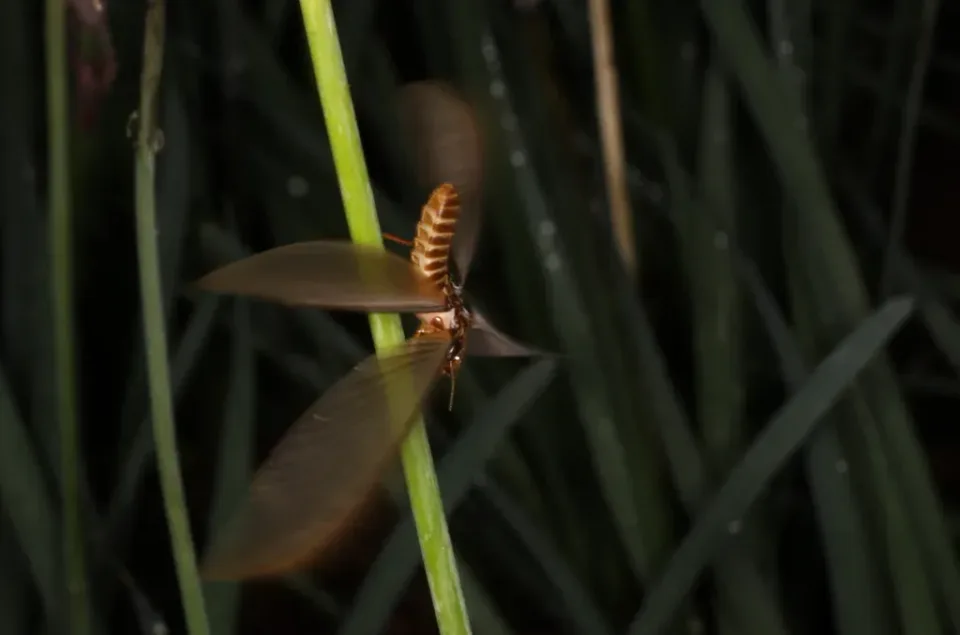
Mild winters allow many pests to remain active, so waiting for a particular season is not a reliable way to rule out activity. Read about discarded termite wings and swarmers if wings are part of what you found.
What can an inspection document?
A useful inspection connects the symptom to the structure: where the wood sounds hollow, whether nearby materials show damage, and what accessible areas reveal. Our crew records affected locations and explains whether findings support a treatment recommendation or call for further evaluation. We do not treat a sound alone as proof.
Properties near Kiawah Island may include coastal construction and exposure that make access and building details important to the inspection. The same principle applies around the Savannah National Wildlife Refuge: local conditions help frame the visit, but the evidence at the individual home guides the findings. For more about our inspection approach, visit Termite Inspection.
Which Inspection or Treatment Fits Hollow Window Wood?
The right option depends on whether the inspection finds soil-entry activity, a concealed void, or damage limited to a particular area.
| Option | Best for | Key detail |
|---|---|---|
| Termite inspection with written report | Identifying and documenting suspected activity | Records affected areas and accessible evidence |
| Postconstruction liquid barrier treatment | Soil-entry risk around an occupied structure | Foundation treatment length is measured in linear feet |
| Termite baiting system installation | Monitoring and targeting termite colonies | Bait-station spacing follows the product label |
| Localized termite foam treatment | A confirmed, accessible void | Drill-hole spacing follows the treatment plan |
Heavy rainfall can raise crawl-space moisture, so an inspection should not treat dampness as proof of termites; it should consider moisture and insect evidence separately. At Brookgreen Gardens, grounds and structures offer a reminder that landscape water management matters; at a home, identify drainage and crawl-space conditions for the inspector. Charleston City Market is a useful local landmark, but the treatment choice always comes from the property findings.
How Do You Prepare for a Hollow-Wood Inspection?
If window trim sounds hollow, keep the area accessible and arrange an inspection before removing or replacing wood. A clear view of the trim and nearby foundation helps us document the condition.
-
Schedule the visit: Describe which window is affected and whether you have noticed soft wood, wings, or other changes.
-
Clear the foundation: Move stored items away from foundation walls so the inspector can see accessible edges.
-
Open access: Provide crawl-space and attic access where available; note any locked doors or tight entries in advance.
-
Share building history: Disclose plumbing leaks and prior termite treatments, which can affect how findings are interpreted.
-
Point out the evidence: Show the exact window and any nearby damage rather than scraping or prying the trim.
-
Review next steps: Ask what was documented and whether a follow-up inspection is recommended.
Beaufort Historic District includes older buildings where careful access and respect for existing materials matter. If your property is near Darlington Raceway, plan the visit around access to the affected room and foundation.
Falls Park on the Reedy is another regional landmark, not a substitute for checking the actual wood and structure. Ask what evidence supports any proposed work.
When Should You Arrange an Inspection for Hollow Trim?
Hollow window wood deserves attention when it is soft, the damaged area is growing, or other signs appear nearby. Eastern subterranean termites occur throughout South Carolina, so a local inspection can help establish whether the wood points to termite activity or another cause. Freeze-thaw cycles can open small foundation cracks, making accessible foundation conditions worth noting alongside window damage.
Coastal areas face salt air and storm surge, which can affect building materials and inspection conditions; distinguish that wear from evidence of insects. If you have questions about the South Carolina State House area or another part of the state, tell us where the damage is and what you have noticed.
South Carolina Pest Pros can inspect and explain findings in plain language. Request a Termite Inspection or call (855) 681-0299 to discuss the next step.